The Economics of SF₆-Free Switchgear: Cost, ROI, and Long-Term Savings
View

News & Insights
Carbon monoxide (CO) is a highly dangerous gas that is both colourless and odourless, making it difficult to detect without proper monitoring. Exposure to elevated levels of carbon monoxide can cause severe health issues and, in extreme cases, can be fatal. Therefore, implementing effective control measures for carbon monoxide is crucial in both industrial and commercial settings. At Cambridge Sensotec, we specialise in advanced gas analysis technologies designed to measure and monitor CO levels, ensuring safety and regulatory compliance. This blog will explore the key control measures of carbon monoxide and how they contribute to a safer environment.
Carbon monoxide is produced by the incomplete combustion of fuels like petrol, natural gas, oil, and wood. This toxic gas can accumulate in poorly ventilated areas, making its detection vital for preventing health risks and ensuring safe working environments. Industrial sectors, including manufacturing, energy production, and construction, are particularly vulnerable to CO emissions, and proper control measures are necessary to mitigate the risks.
Exposure to carbon monoxide can lead to symptoms such as headaches, dizziness, confusion, and nausea. In severe cases, prolonged exposure can result in unconsciousness or death. Since carbon monoxide is undetectable by human senses, effective monitoring and control are essential for protecting human health.
Continuous monitoring effectively manages carbon monoxide. Installing CO detection systems across facilities where combustion occurs alerts personnel to rising CO levels in real time. Cambridge Sensotec’s advanced gas analysers provide accurate, real-time measurements of carbon monoxide concentrations, ensuring quick detection and response to any dangerous build-up.
Proper ventilation is one of the simplest yet most effective control measures for reducing carbon monoxide accumulation. By ensuring a constant flow of fresh air, ventilation systems can help disperse CO and prevent it from reaching hazardous levels. In enclosed spaces or areas with poor airflow, mechanical ventilation systems are particularly important to ensure the removal of CO.
Malfunctioning equipment, such as boilers, furnaces, and generators, is a common source of carbon monoxide. Regular maintenance and inspections of combustion appliances are critical to preventing the production of excess CO. Well-maintained equipment operates more efficiently and produces fewer harmful emissions, contributing to a safer environment.
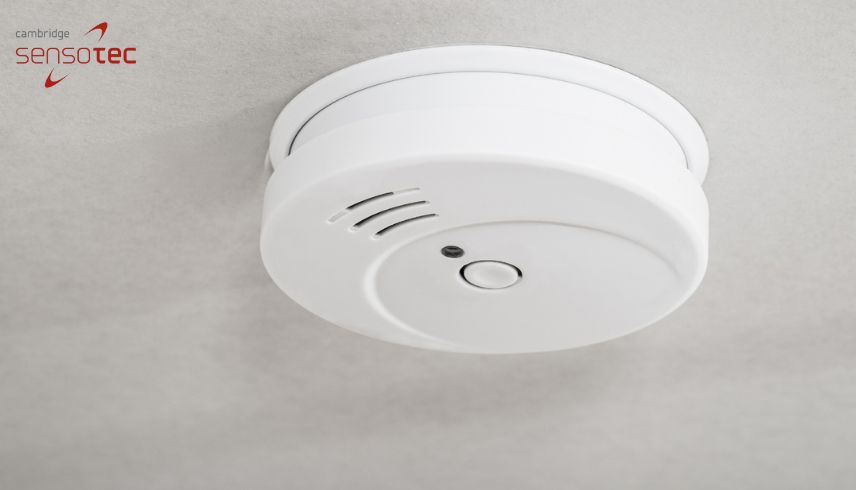
In addition to continuous monitoring, it’s essential to have carbon monoxide alarms installed in high-risk areas. These alarms can provide early warning of dangerous CO levels, enabling prompt evacuation and safety measures. Modern CO detectors can be integrated with building management systems to automate safety protocols in the event of an alarm.
Proper training is a key component of carbon monoxide control measures. Employees should be educated about the dangers of carbon monoxide, how to recognise symptoms of exposure, and the importance of adhering to safety protocols. Regular drills and safety briefings ensure that all personnel are aware of the steps to take in the event of elevated CO levels.
Limiting the use of fuel-burning equipment in confined or poorly ventilated spaces can significantly reduce the risk of carbon monoxide exposure. Equipment should always be operated in accordance with manufacturer guidelines and safety regulations. If using portable generators or heating units, ensure they are placed in well-ventilated areas to prevent CO build-up.
Most industries are subject to occupational exposure limits (OELs) for carbon monoxide, as defined by regulatory agencies such as the Health and Safety Executive (HSE) in the UK. Adhering to these limits is essential to ensure that workers are not exposed to harmful CO concentrations. Regular monitoring and adherence to exposure limits are critical components of workplace safety.
At Cambridge Sensotec, we provide advanced gas analysis solutions designed to help industries monitor and control carbon monoxide levels effectively. Our Rapidox gas analysers offer precise and reliable CO measurements, ensuring compliance with safety regulations and protecting human health.
Effective control measures for carbon monoxide are essential for ensuring safety and regulatory compliance in industrial environments. By implementing continuous monitoring, ensuring proper ventilation, maintaining equipment, and educating employees, you can significantly reduce the risks associated with carbon monoxide exposure. Cambridge Sensotec’s advanced gas analysis solutions provide the precision and reliability needed to monitor CO levels accurately, helping you create a safer, more compliant workplace.
Visit our website or contact us to learn more about how our carbon monoxide measurement solutions can help you implement effective control measures in your organisation.
Please leave your email address below and we'll reach out promptly.

Tell us about your application, the gases you need to measure and your requirements. Our specialists will recommend the most suitable Rapidox gas analyser and configuration.