The Economics of SF₆-Free Switchgear: Cost, ROI, and Long-Term Savings
View
News & Insights
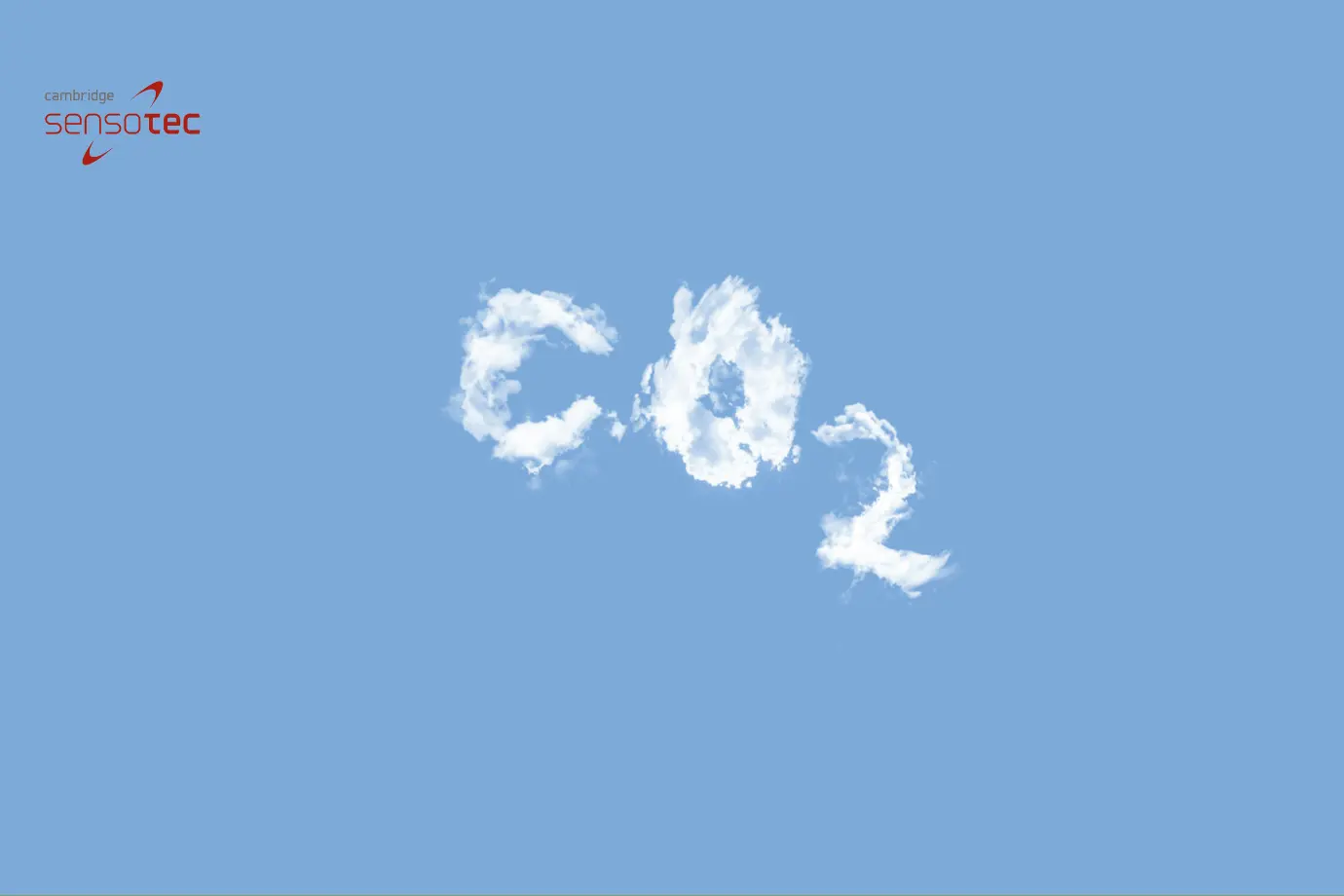
Carbon dioxide (CO2) emissions are a significant contributor to global climate change, and understanding how to measure them accurately is crucial for addressing their impact. Whether from natural processes or human activities, monitoring CO2 emissions is necessary to mitigate their effect on our environment. This article will explore various methods, tools, and techniques to measure carbon dioxide emissions, providing a comprehensive guide for businesses, policymakers, and individuals interested in reducing their carbon footprint.
To effectively measure carbon dioxide emissions, it is essential first to understand what they are and where they come from. Carbon dioxide is a colourless, odourless gas that is naturally present in Earth’s atmosphere as part of the carbon cycle. However, human activities have significantly increased its concentration, contributing to global warming and climate change.
Natural sources of carbon dioxide emissions include processes that occur without human intervention. These sources play a vital role in the Earth’s carbon cycle:
Human activities are the primary cause of increased carbon dioxide emissions over the past century. Key sources include:
Measuring carbon dioxide emissions is essential for several reasons:
There are several methods for measuring carbon dioxide emissions, each with its advantages and applications. These methods can be broadly categorised into direct and indirect measurement techniques.
Direct measurement techniques involve measuring carbon dioxide levels in the atmosphere or emissions directly from the source.
Infrared Gas Analysers (IRGA) measure the absorption of infrared light by CO2 molecules in a gas sample. The amount of light absorbed is proportional to the concentration of CO2, providing a direct and accurate measurement. IRGAs are commonly used in laboratories and field studies due to their high precision and reliability.
One of the most cost-effective and versatile options for measuring CO2 using infrared technology is the Rapidox 1100-A Carbon Dioxide Gas Analyser. This analyser is equipped with an infrared (IR) CO2 gas sensor, providing fast and accurate analysis over a range from 0-500 ppm to 0-100% CO2. The Rapidox 1100-A is particularly suitable for aggressive industrial applications, including those involving flammable gases like hydrogen, helium, argon, and VOCs, provided that the sample gas is filtered for dust and particles and is non-condensing. Its versatility makes it an excellent choice for various industrial environments where precise and reliable CO2 measurement is critical.
NDIR sensors are a type of IRGA that use a specific wavelength of infrared light absorbed by CO2. These sensors are widely used in both portable and stationary CO2 monitors. NDIR sensors are favoured for their robustness, low maintenance requirements, and suitability for continuous monitoring in various environments.
Chemical absorption methods involve passing a gas sample through a solution that absorbs CO2, changing the solution’s properties. The change is then measured to determine the concentration of carbon dioxide. These methods are useful for spot-checks and applications where high precision is required.
Indirect measurement techniques estimate CO2 emissions based on other measured variables, such as fuel consumption or activity data.
The mass balance method calculates emissions by accounting for the input and output of carbon-containing materials in a process. For example, the CO2 emitted during combustion can be estimated by knowing the amount of fuel burned and its carbon content. This method is widely used in industrial settings where direct measurement may be impractical.
The emission factor approach uses predetermined factors that estimate the amount of CO2 produced per unit of activity, such as per litre of fuel consumed or per tonne of cement produced. These factors are based on extensive research and testing. This method is relatively straightforward and cost-effective, making it popular for regulatory reporting.
Remote sensing involves measuring CO2 concentrations from a distance using satellites or ground-based sensors. These techniques are valuable for monitoring large areas and providing comprehensive data on regional or global CO2 levels. While less precise than direct methods, remote sensing is useful for identifying trends and patterns over time.
Several tools and equipment are available for measuring carbon dioxide emissions, each suited to different methods and environments.
Portable CO2 monitors are compact devices that measure carbon dioxide levels in the air. They are ideal for spot-checks, mobile applications, and situations where flexibility is required. These monitors often use NDIR sensors and provide quick and reliable readings.
Fixed-point CO2 analysers are installed in a specific location to provide continuous monitoring of carbon dioxide levels. These devices are commonly used in industrial settings, such as factories or power plants, where ongoing data collection is crucial for compliance and safety. Proper installation and regular maintenance are essential to ensure accurate measurements.
Continuous Emission Monitoring Systems (CEMS) are sophisticated setups that measure and record emissions from industrial sources in real time. CEMS typically use a combination of direct measurement techniques, such as NDIR sensors, and are required for regulatory compliance in many jurisdictions. They provide detailed data that can be used for both operational optimisation and environmental reporting.
Accurate measurement of carbon dioxide emissions requires careful planning and execution. Here is a step-by-step guide to ensure reliable results:
Interpreting and analysing CO2 emission data is crucial for understanding its implications and making informed decisions.
Use statistical methods such as regression analysis and time-series analysis to examine emission trends and patterns. Software tools like R, Python, or specialised environmental analysis software can help automate data analysis and improve accuracy.
Create clear and concise reports that highlight key findings and trends in CO2 emissions. Use visual aids like graphs and charts to make data more accessible to stakeholders. Effective communication of results is essential for transparency and decision-making.
Measuring carbon dioxide emissions is crucial for understanding their impact on our environment and developing strategies to reduce them. By using accurate measurement techniques, tools, and technologies, such as the Rapidox 1100-A Carbon Dioxide Gas Analyser, we can better manage and mitigate the effects of CO2 emissions. Businesses, policymakers, and individuals all have a role to play in reducing carbon footprints and ensuring a sustainable future.
Current methods can be highly accurate, especially with proper calibration and maintenance. However, the accuracy may vary depending on the technique and equipment used.
Direct measurement techniques measure CO2 concentrations directly, while indirect techniques estimate emissions based on other variables, such as fuel consumption.
The frequency of measurement depends on regulatory requirements, the nature of the emissions source, and the specific goals of the measurement. Continuous monitoring is often a requirments for large industrial sources.
Please leave your email address below and we'll reach out promptly.

Tell us about your application, the gases you need to measure and your requirements. Our specialists will recommend the most suitable Rapidox gas analyser and configuration.