The Economics of SF₆-Free Switchgear: Cost, ROI, and Long-Term Savings
View

News & Insights
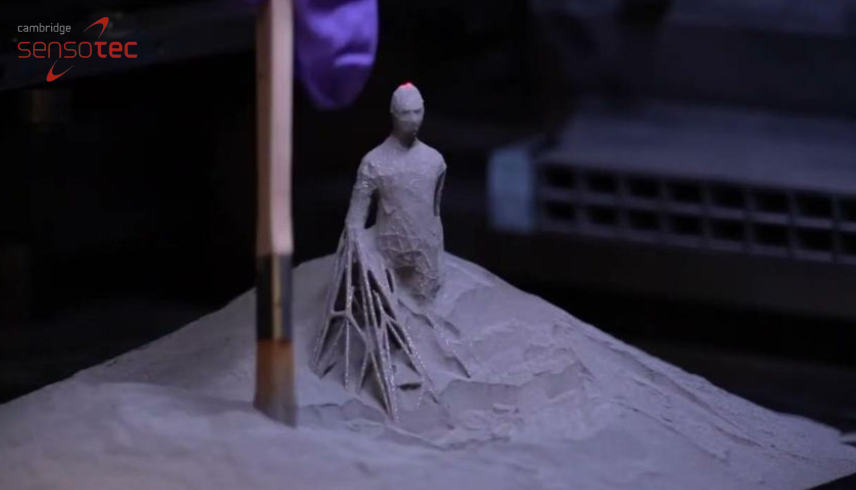
Metal 3D printing is rapidly advancing, promising new levels of complexity and efficiency in metal part production. Despite its growth, challenges such as high post-processing costs remain. Researchers at the University of Cambridge have embarked on a journey to mitigate these issues, unveiling a novel metal 3D printing process tested with steel. This method promises efficiency and cost-effectiveness without relying on conventional “heating and beating”.
Historically, the “heating and beating” method involved manually hardening material with a hammer and softening it with heat. This technique, while effective for its time, falls short in terms of efficiency and suitability for intricate parts compared to modern metal 3D printing methods.
The research team at Cambridge, led by Dr. Matteo Seita, has developed a metal 3D printing process that sidesteps traditional methods. By adapting the internal structure of the material without the need for physical manipulation, this new technique allows for unprecedented control over material properties, potentially revolutionising how metal parts are fabricated.
This new approach focuses on laser powder bed fusion, enhancing the way materials are processed during 3D printing. By carefully controlling laser melting and solidification, the team can “program” the desired material characteristics, akin to using a laser as a microscopic hammer. This method ensures parts are not only strong but also less prone to brittleness, marking a significant improvement over traditional methods.
With these advancements, 3D printed steel can now rival or even surpass traditional steel in performance, offering a more sustainable and cost-effective manufacturing solution. This breakthrough could significantly reduce metal 3D printing costs, contributing to the industry’s sustainability.
The University of Cambridge’s novel approach to metal 3D printing marks a significant milestone in manufacturing technology. By overcoming the limitations of traditional “heating and beating”, this method paves the way for more efficient, cost-effective, and environmentally friendly metal fabrication.
Interested in exploring how advancements in gas analysis and monitoring technologies can further enhance your 3D printing processes? Cambridge Sensotec offers cutting-edge solutions tailored to your needs.
Contact us today to discover how our expertise can support your innovative projects and drive your manufacturing capabilities forward.
For those interested in delving deeper into the advancements that are challenging traditional “heating and beating” techniques in metal fabrication, we recommend reading an insightful piece on 3Dnatives. This article explores the pioneering research and development that are making cost-effective, 3D printed steel a reality, offering a comprehensive overview of the potential impact on the future of manufacturing.
Please leave your email address below and we'll reach out promptly.

Tell us about your application, the gases you need to measure and your requirements. Our specialists will recommend the most suitable Rapidox gas analyser and configuration.